Well, it’s been a while since I’ve posted here, although there have been quite a few pictures added and corresponding posts on Cloudy Nights. I’m going to attempt to summarize the events of the past year first, then bring you up to speed on the latest changes occurring now at Orion Ranch Observatory in the next post.
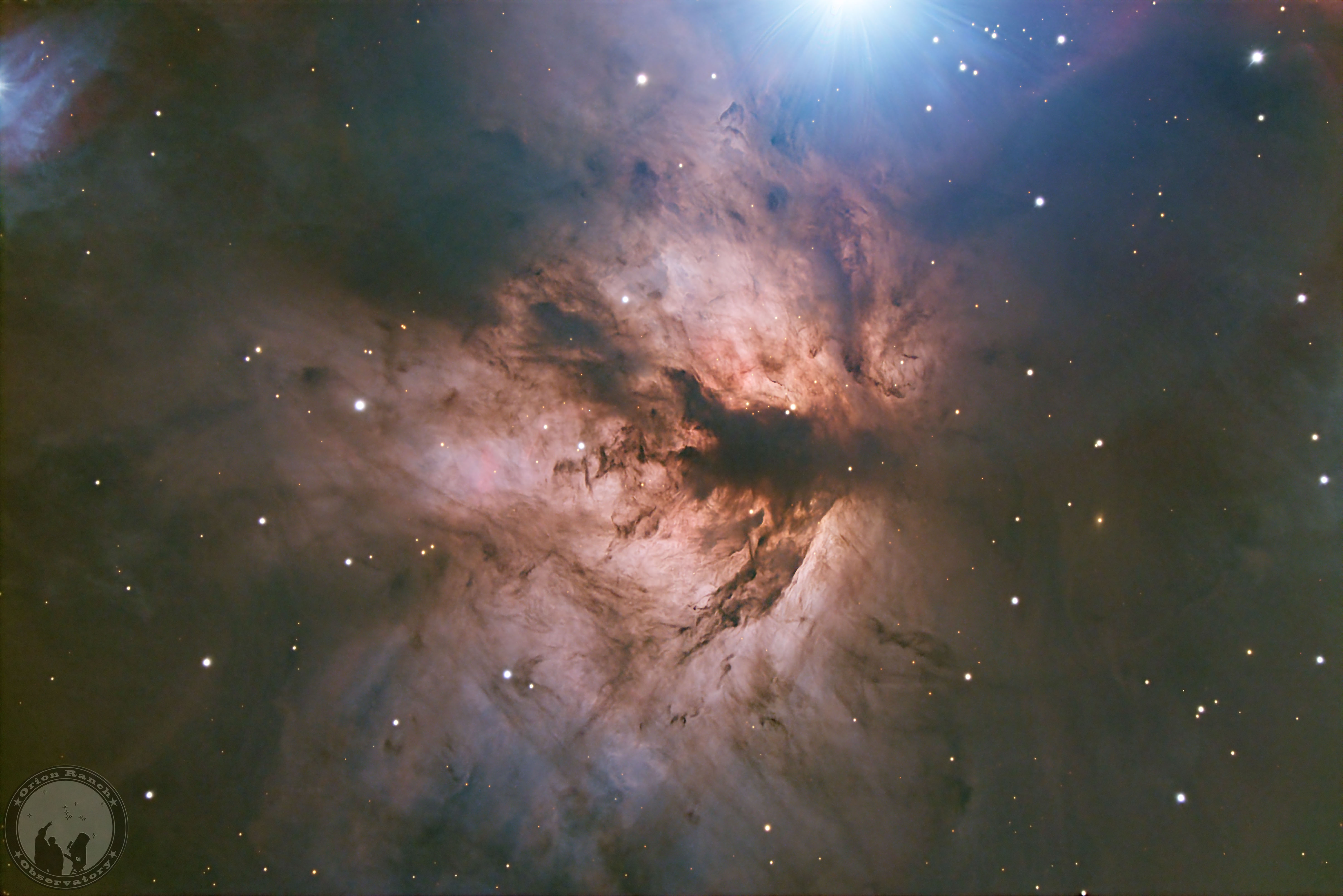
My last post was at the start of January, where I’d gotten my new off-axis-guider setup improved on the Edge HD 11″ OTA with the 0.7x focal reduce. I managed to get a bit of imaging done with that rig and captured this closeup of the Flame Nebula by the end of January. This was a stack of 53 five-minute subs (4.4 hours) out of over 200 taken.
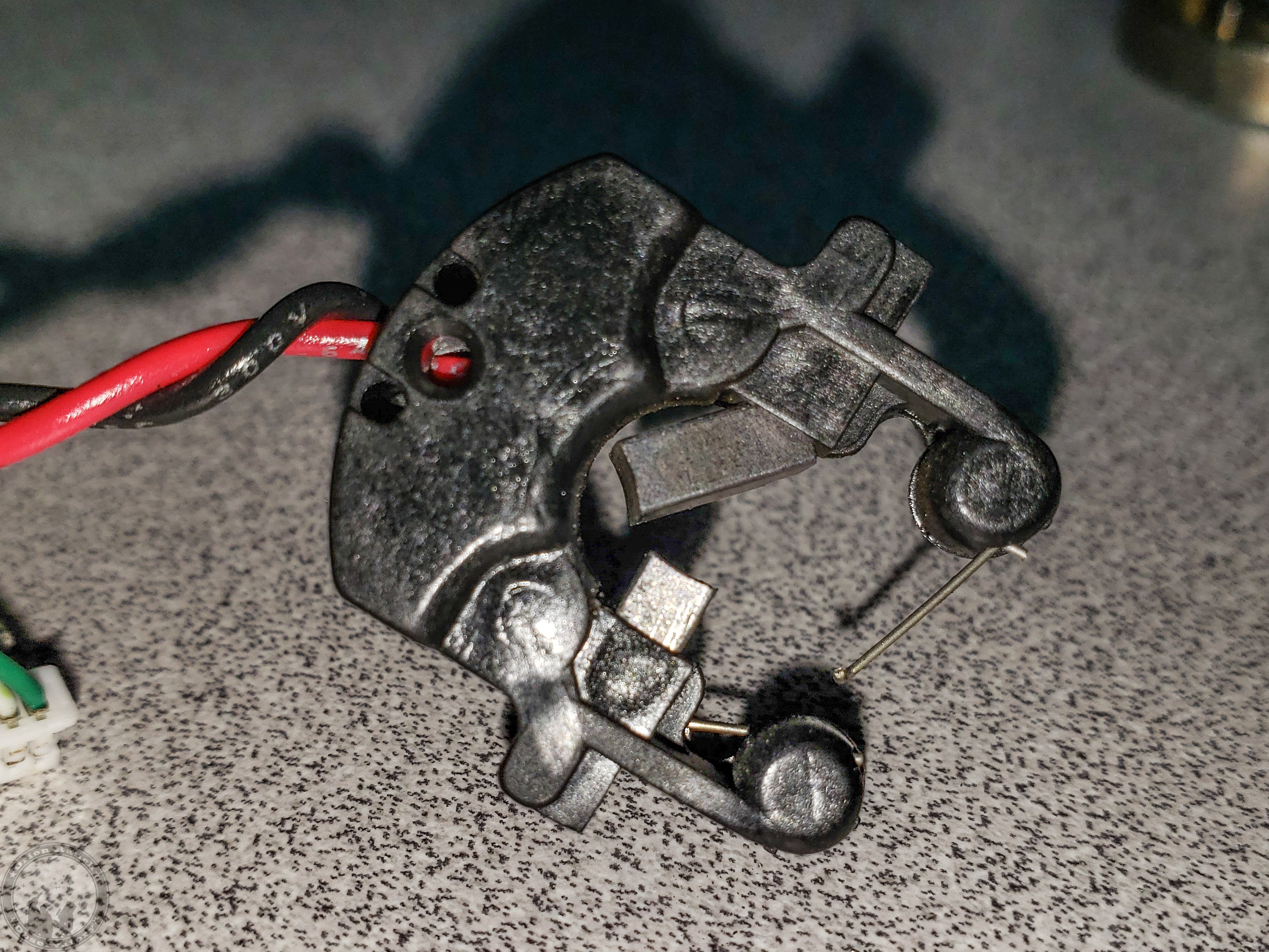
In mid February, the RA motor on my CGE Pro again was flaking out and I opened it to find the brush holders in even worse shape than before. The picture below is from the first time around when I discovered what was happening back in 2020. Since I’d just taken pictures the first time around, this time I captured video of the whole repair process, but I’ve never had the time to edit it and get it posted.
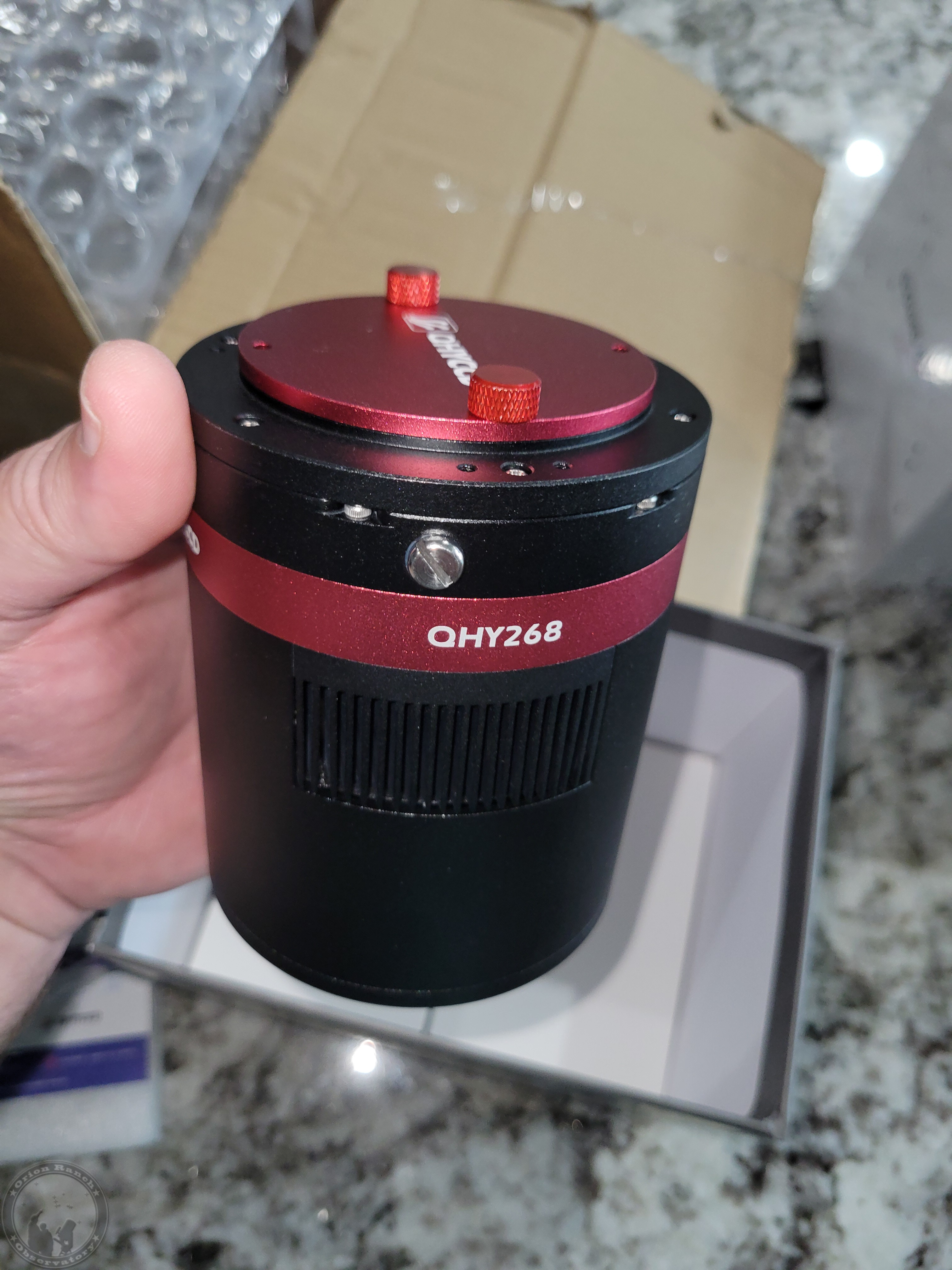
After getting everything put back together, I managed to get one night of imaging before my QHY247C, which was one of the original beta sales units, failed and couldn’t be repaired. After sending it back to QHY for several months, they eventually came back saying they couldn’t repair it either and offered me a good deal on a new QHY268C. I had been debating getting a ZWO ASI2600MC-Duo, but this was a much better deal for the same sensor, so I stayed with QHY.
The camera finally arrived in mid June, but when I went to open the observatory to try for a first-light imaging session, I discovered that my cool new ESP32 based controller with a web interface that I’d designed for my roof drive (see Orion Ranch Observatory is Back Online!) had lost its mind and wouldn’t respond with the web page. I eventually clambered up onto the top of the warm room to get to the drive system and pulled it to find out what happened. Turned out that the embedded file system had become corrupted and lost the web pages. I reprogrammed the module and got that back up and running after a second trip crawling up into the roof rafters.
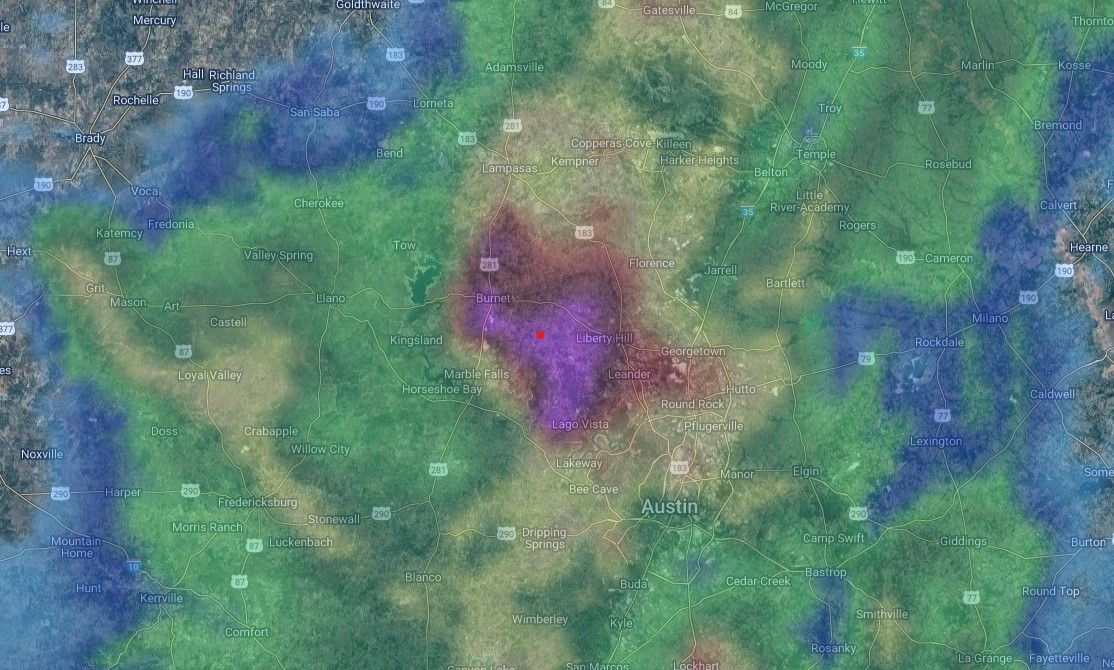
After that, we were right in the middle of the 4th of July floods here in Central Texas, and were up to 14.12″ total here at Orion Ranch when I captured this rainfall total image. I never expected the new equipment curse to be this bad! While we desperately needed the rain to break the drought, we certainly didn’t need it all at once! We’re the red dot in the purple area in the middle. We had some damage to our driveway and fence lines, and lots of roads and bridges in the area were washed out or blocked with debris. Sadly, there were also several dead and missing, although none of that was as horrible as the Camp Mystic tragedy along the Guadalupe!
After the July 4th flooding, it took a while to get any clear weather, but then as I feared, I didn’t have a short enough M54 adapter to get my OAG/focuser setup to focus with the new camera and Agena Astro was out of stock on their Blue Fireball M54 spacer set for quite a while. I eventually decided to switch to wide field and set the camera up on my AT60ED with the 0.8 focal reducer using the M42 spacers I had. That all worked well enough and the setup looked pretty good, thanks to my 3D printed mount for that AT60ED (it’s a LONG assembly)!
So, on the first of September, I finally reopened the observatory and got the two scopes focused (the C11 is still running the autoguider) and decide to go for the North American Nebula, which Star Tools indicated would only be a single frame on the AT60ED/0.8/268C setup. That’s where things fell apart yet again. Apparently my last rebuild of the RA motor on my CGE Pro just wasn’t holding. The brush housing was just too far gone and the brushes weren’t maintaining good pressure on the motor, so my mount is shot at this point!
After debating whether to try re-forking the Edge HD C11 back on its CPC mount or try something else, I decided to buy Chad Gray’s OnStep mod to convert everything over to a stepper drive. I would have liked to design and build my own kit, but decided I didn’t want to spend the time. It was more about getting back up and running quickly so I could start using my new camera!
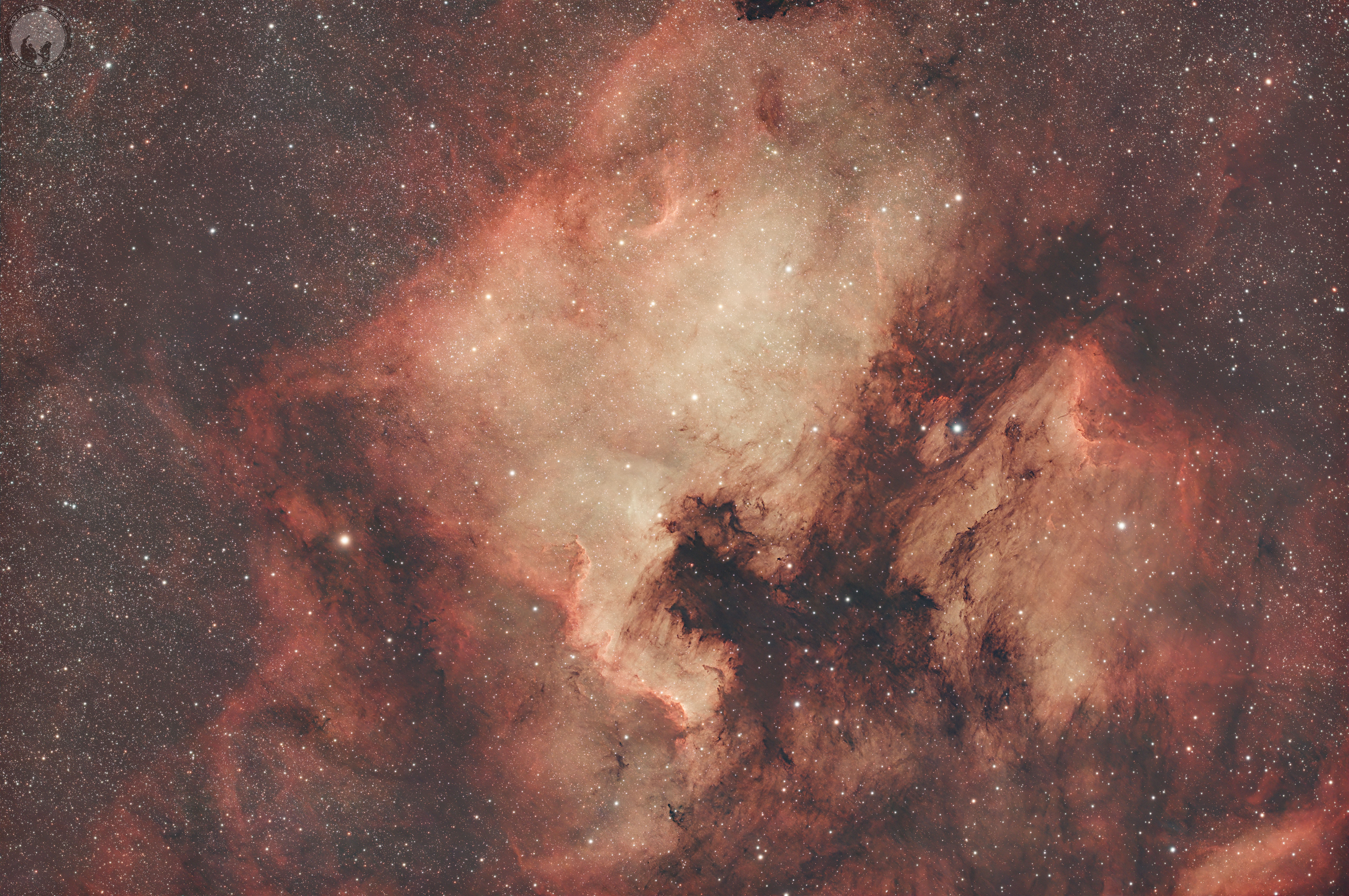
So after three days of working on the mount upgrade, I was finally able to get first light on my QHY268C with my new Antlia Triband RGB Ultra II Filter by mid September (9/12). My QHY5III178M auto guider didn’t want to stay connected, so this image of the North American Nebula and Pelican Nebula was a stack of 141 one-minute unguided subs, processed in PixInsight. This was also my first successful imaging session on my AT60ED with 0.8x focal reducer/flattener. It’s pretty wide field, so I could probably have pushed the subs up and not noticed any drift. Over the entire two+ hours of imaging, the drift was maybe 20 pixels! This was also my first imaging session with N.I.N.A. instead of SGP. Lots of first for this one! There was some star distortion on the left side of the image that BlurX took care of without a problem. Otherwise, the flattener is doing a pretty good job. About the only issue I see in the full sized image is a diagonal striping that I might normally attribute to drift, but I don’t think it drifted that much! Add to that, I didn’t have a chance to get flats, but after processing, you can’t tell.
This was the start of a flurry of imaging and improving my post processing workflow throughout the Fall to make up for lost time. I never did get autoguiding working, but with this wide field setup, one minute subs were really good. It just meant taking tons of pictures to get the necessary signal to noise ratio (SNR). However, I’m impressed and pleased with what I’m able to get vs. longer five-minute exposures. It also means that anything that messes up a single image has less impact on the total amount of data I capture.
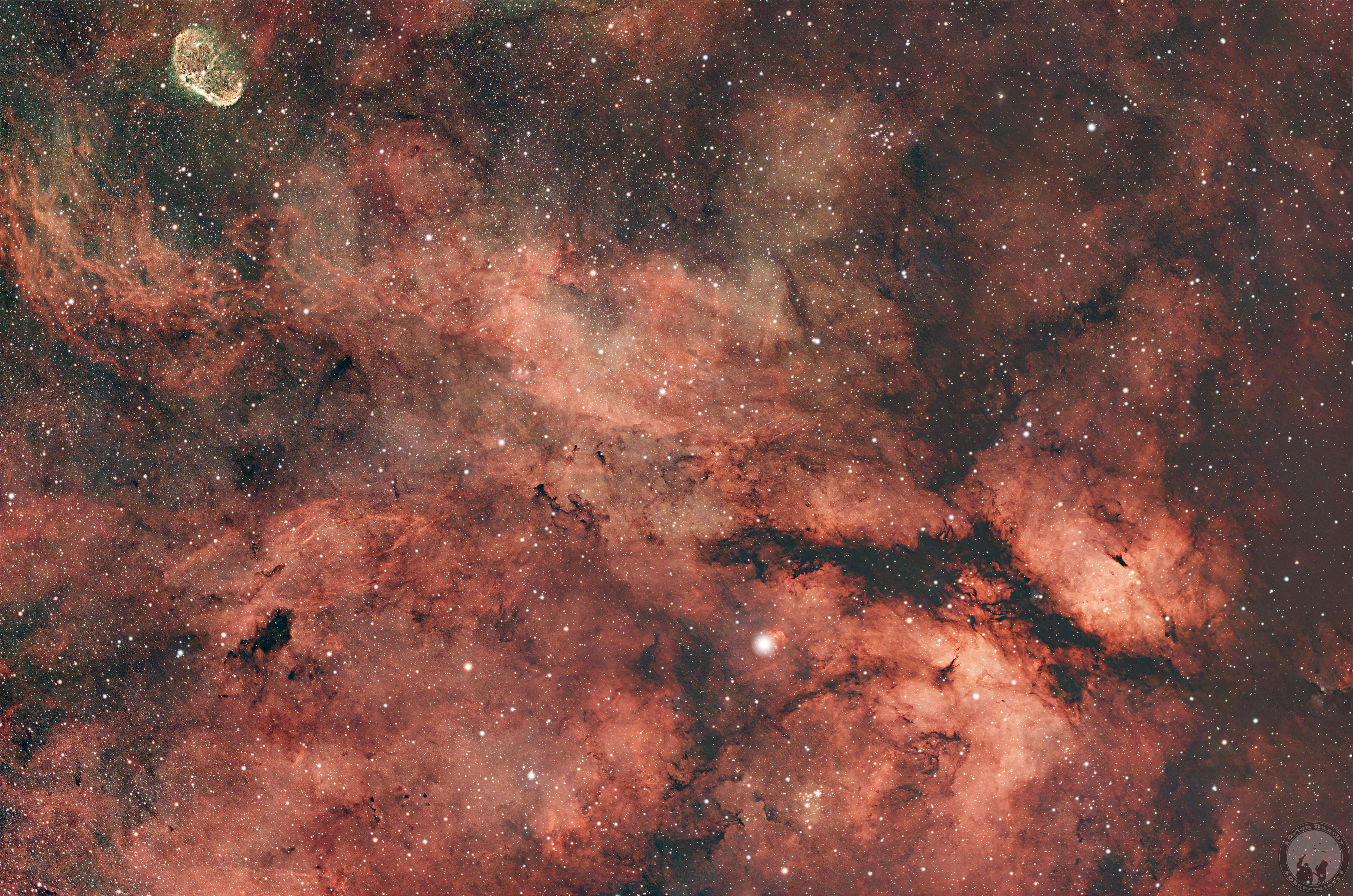
Here’s my shot of the Gamma Cygni Butterfly Nebula with the Crescent Nebula in the upper left corner (9/15). I had to restrain myself from over-brightening the image so that you could still see some stars in the result. This image is a stack of 211 one-minute unguided subs using the same setup.
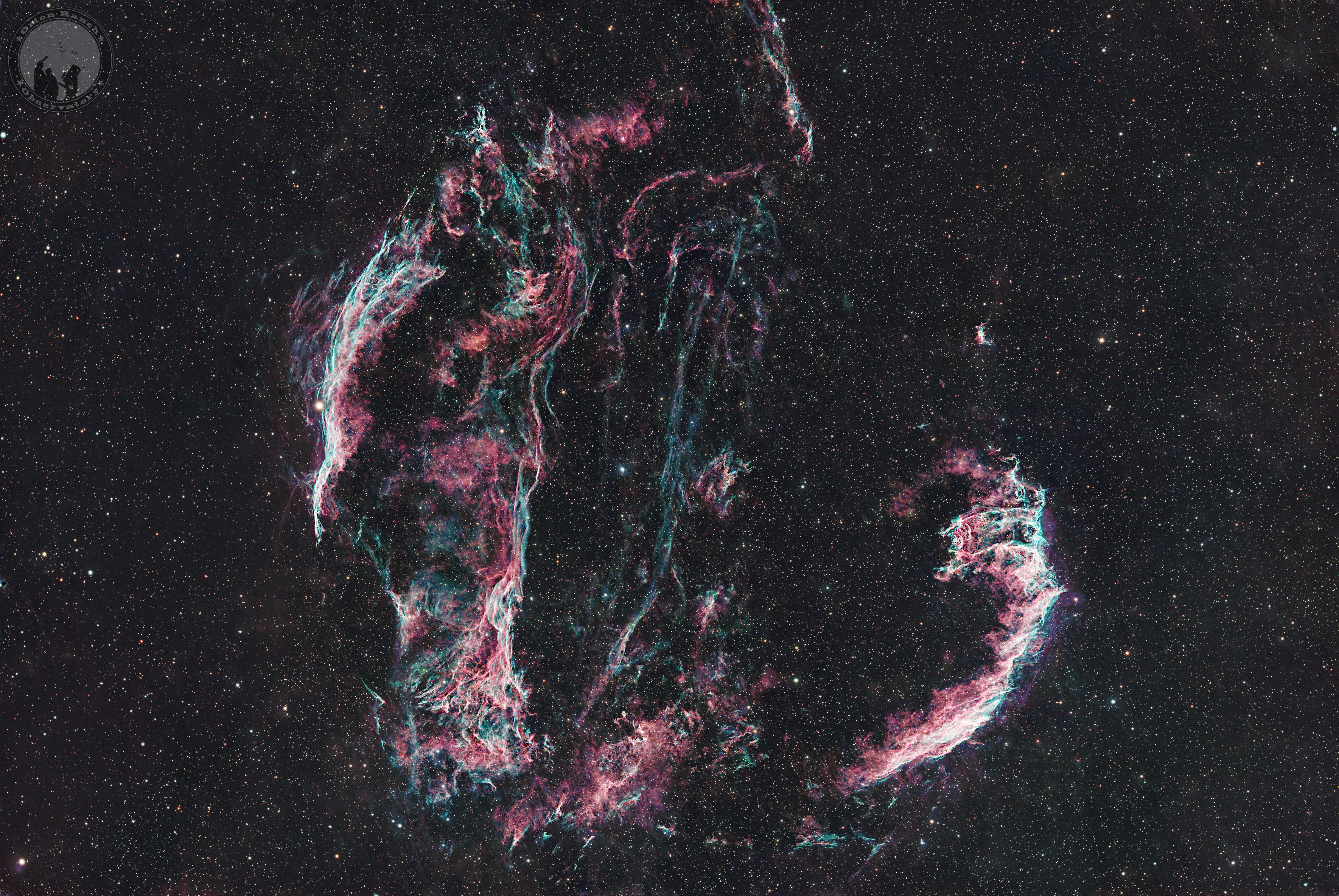
9/16 – This wide field setup allowed me to capture the entire veil nebula including the eastern and western components. This is 133 one-minute images.
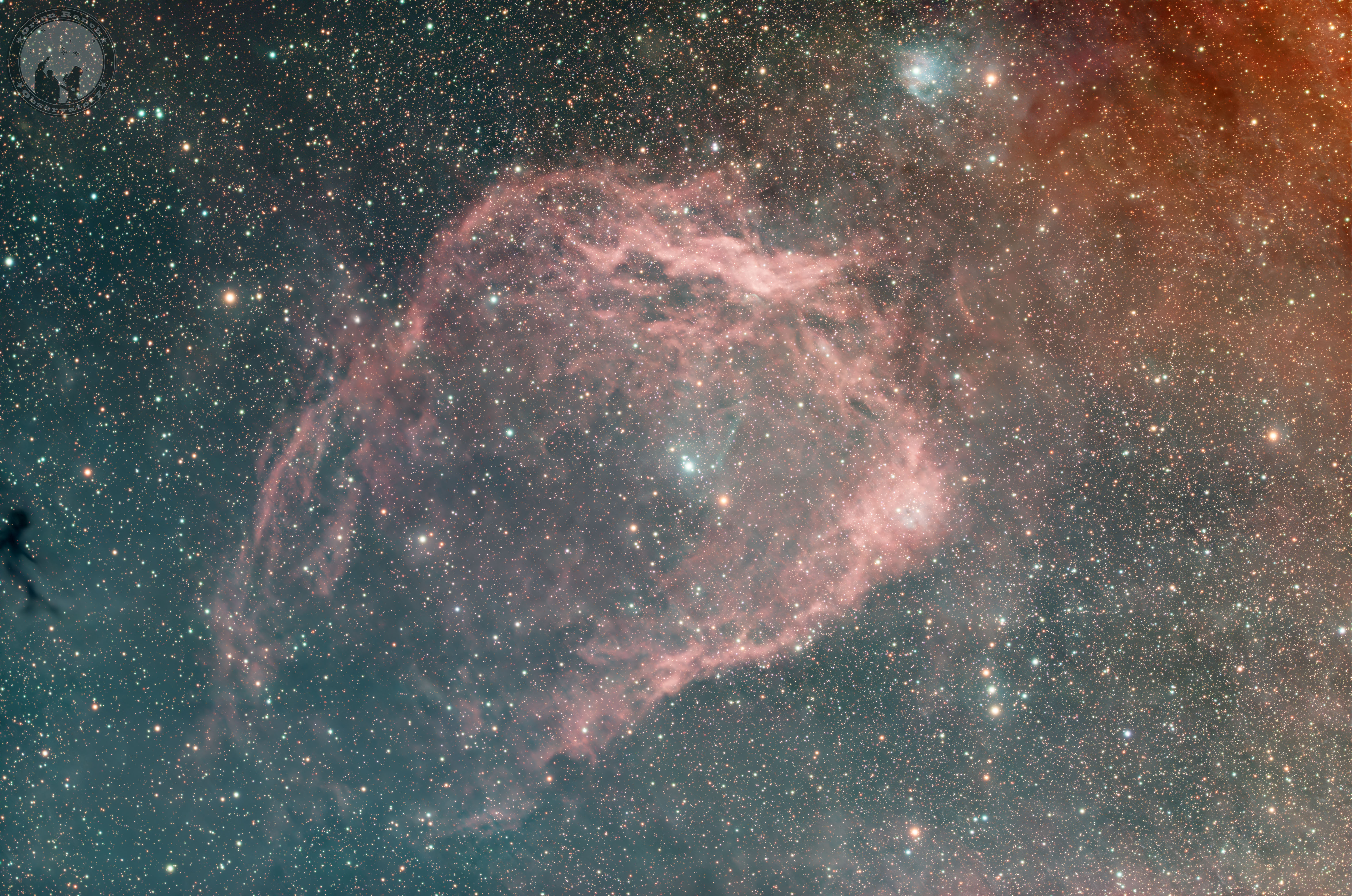
9/19 – This shot of the Flying Bat Nebula (Sh 2-129) is a stack of 282 one-minute un-guided subs.
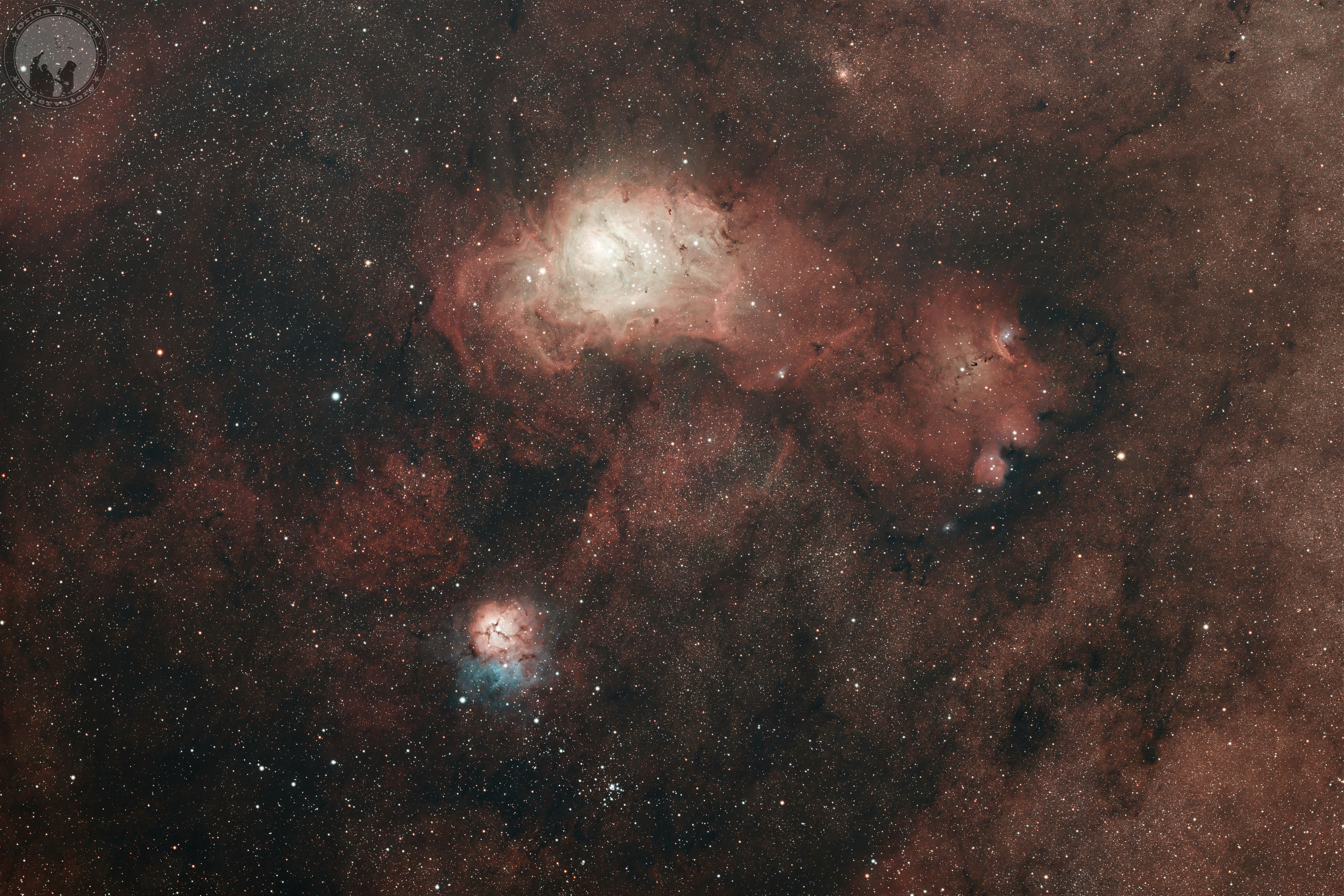
9/21 – This wide field image in the constellation Sagittarius covers a region in the southern central Milky Way that includes the Lagoon Nebula (M8 or NGC 6523) in the top center, the Trifid Nebula (M20 or NGC 6514) to the lower left, and the open cluster M21 or NGC 6531, also known as Webb’s Cross, in the bottom middle, and is a stack of 76 one-minute exposures.
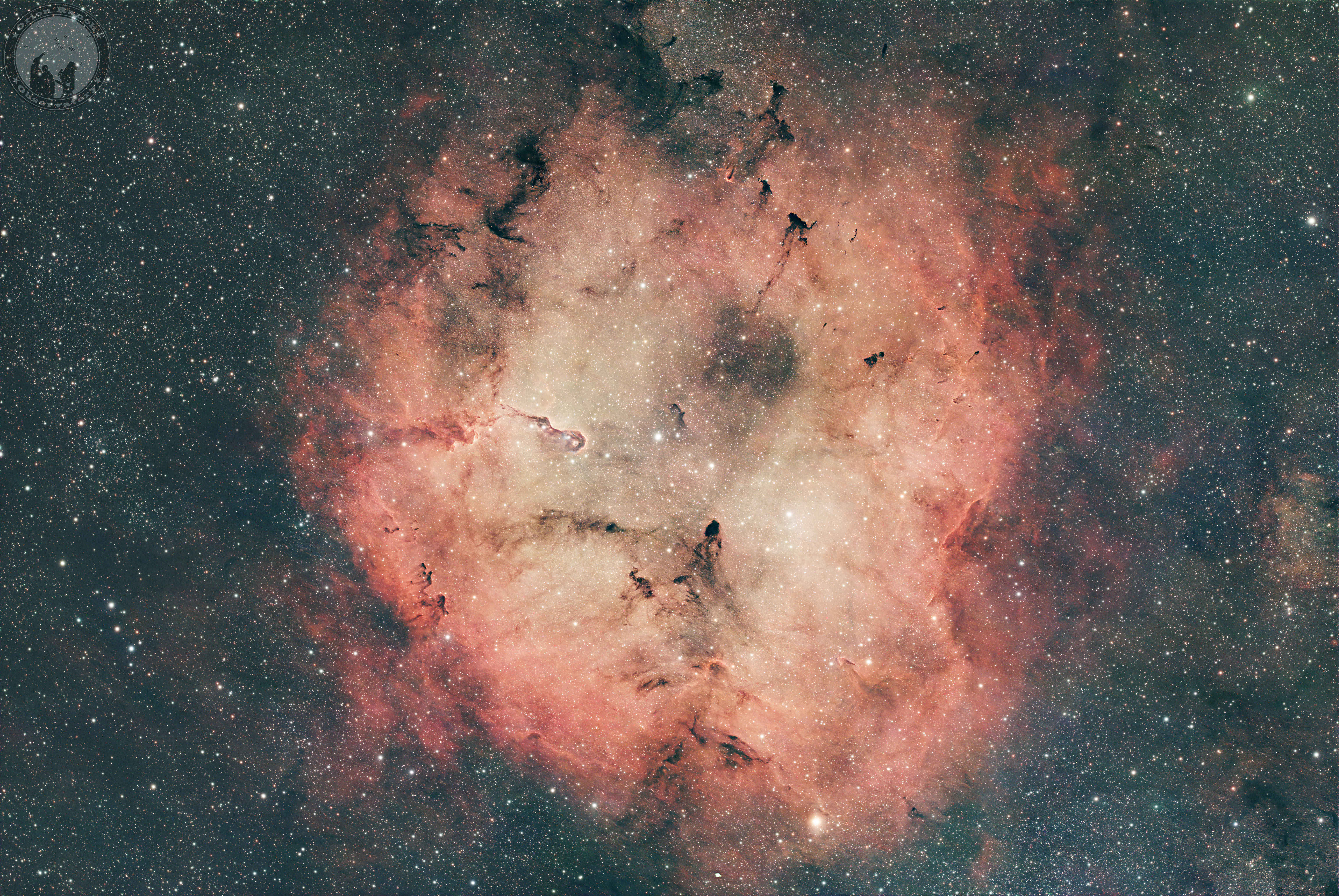
9/22 – This image of the Elephant’s Trunk Nebula (IC 1396A) is a stack of 235 one-minute un-guided subs.
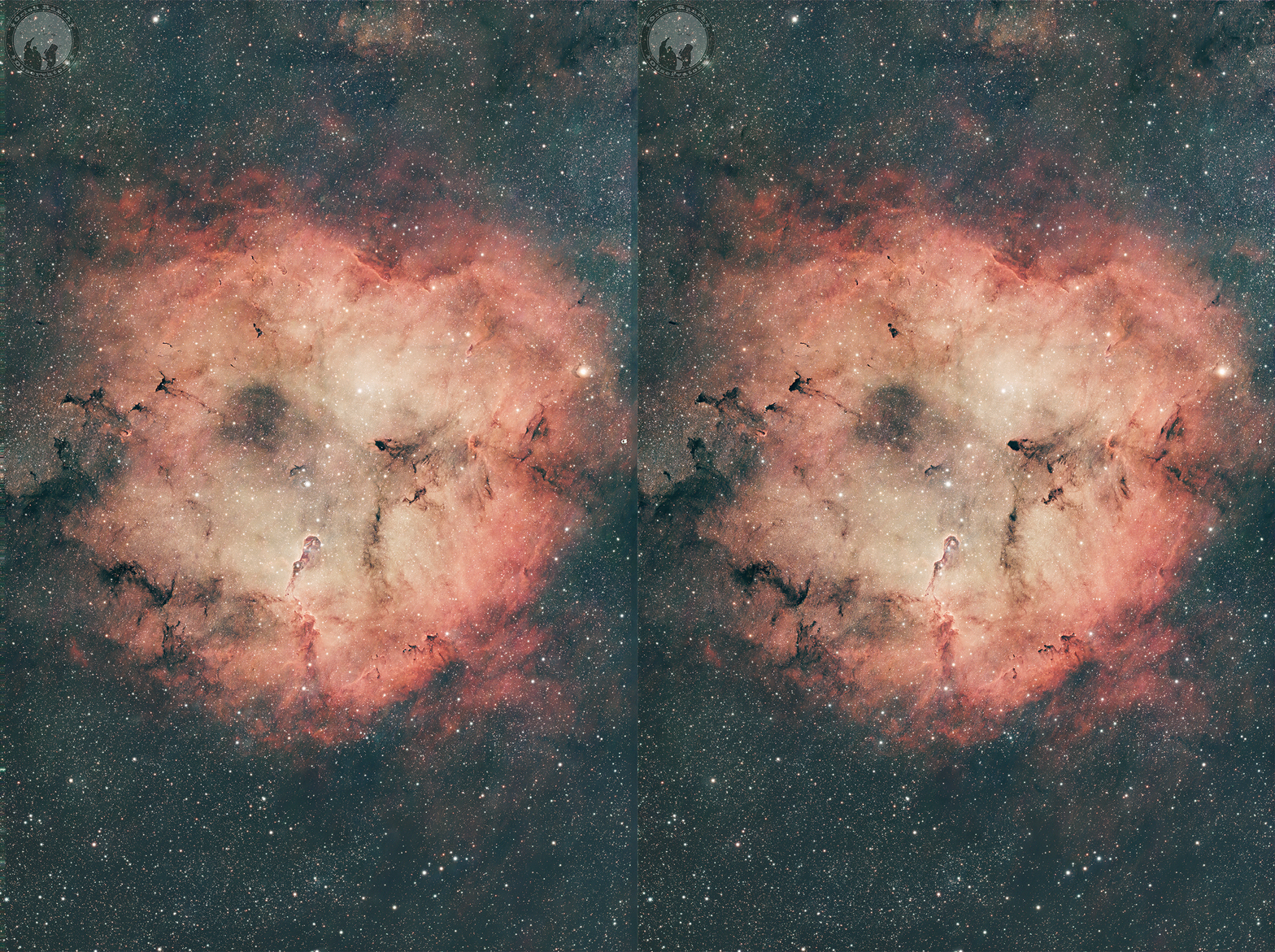
With all of these options, I also decided to try my hand at another 3D image. It turned out ok, although I should have spent a bit more time on it.
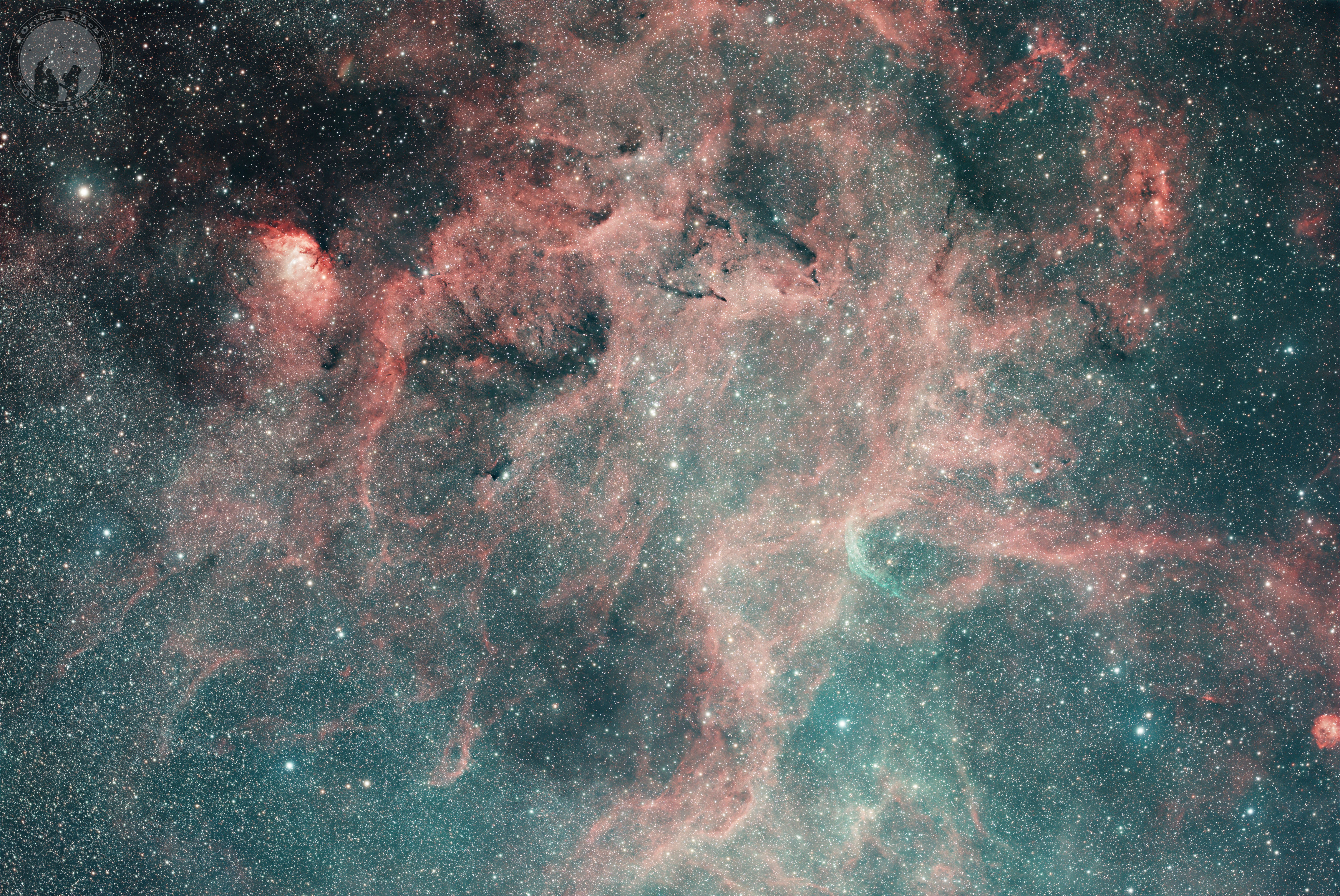
9/28 – This unnamed nebular region in Cygnus is in the middle of the northern part of the Milky Way galaxy, and includes the open clusters of NGC 6871, NGC 6883, and IC 1310, and is a stack of 182 one-minute unguided exposures.
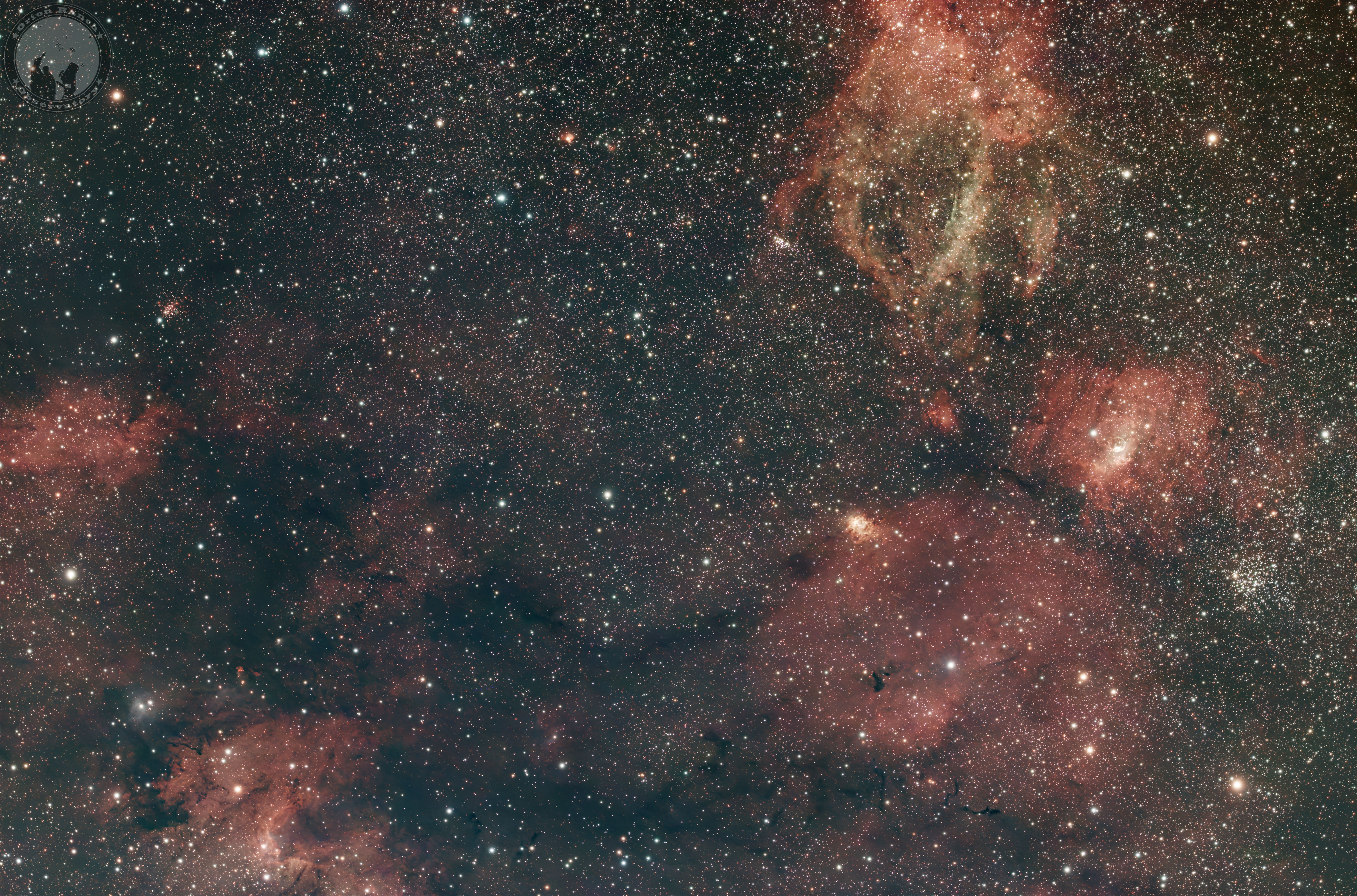
10/1 – This wide field image contains multiple dim emission nebulae, with the brighter Bubble Nebula (NGC 7635) on the right hand side, and the open cluster, M52, just below and to the right of it. It’s a stack of 868 on-minute subs (14.5 hours!).
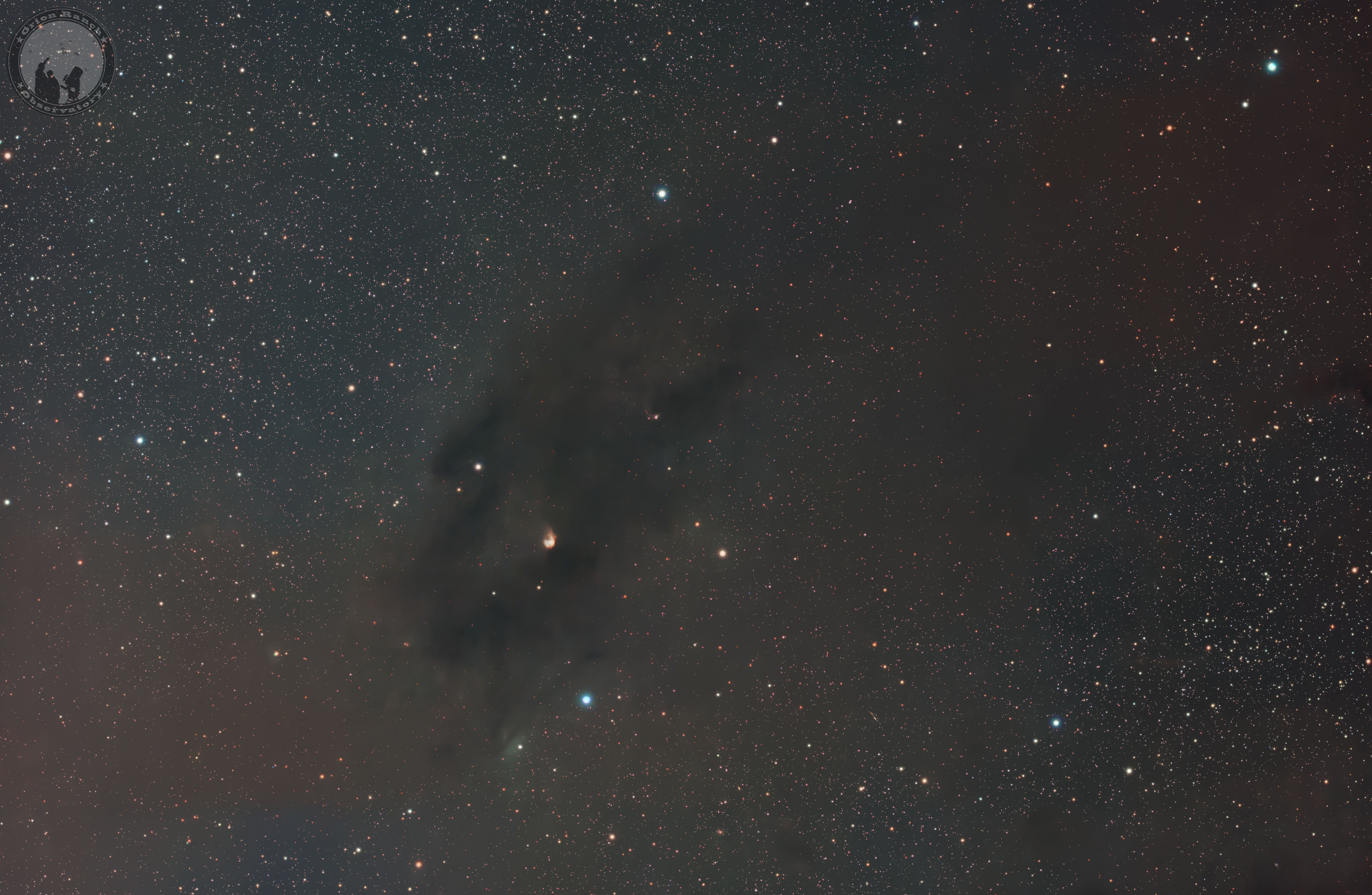
10/16 – This image of the Taurus Dark Cloud is a stack of 161 unguided one-minute exposures.
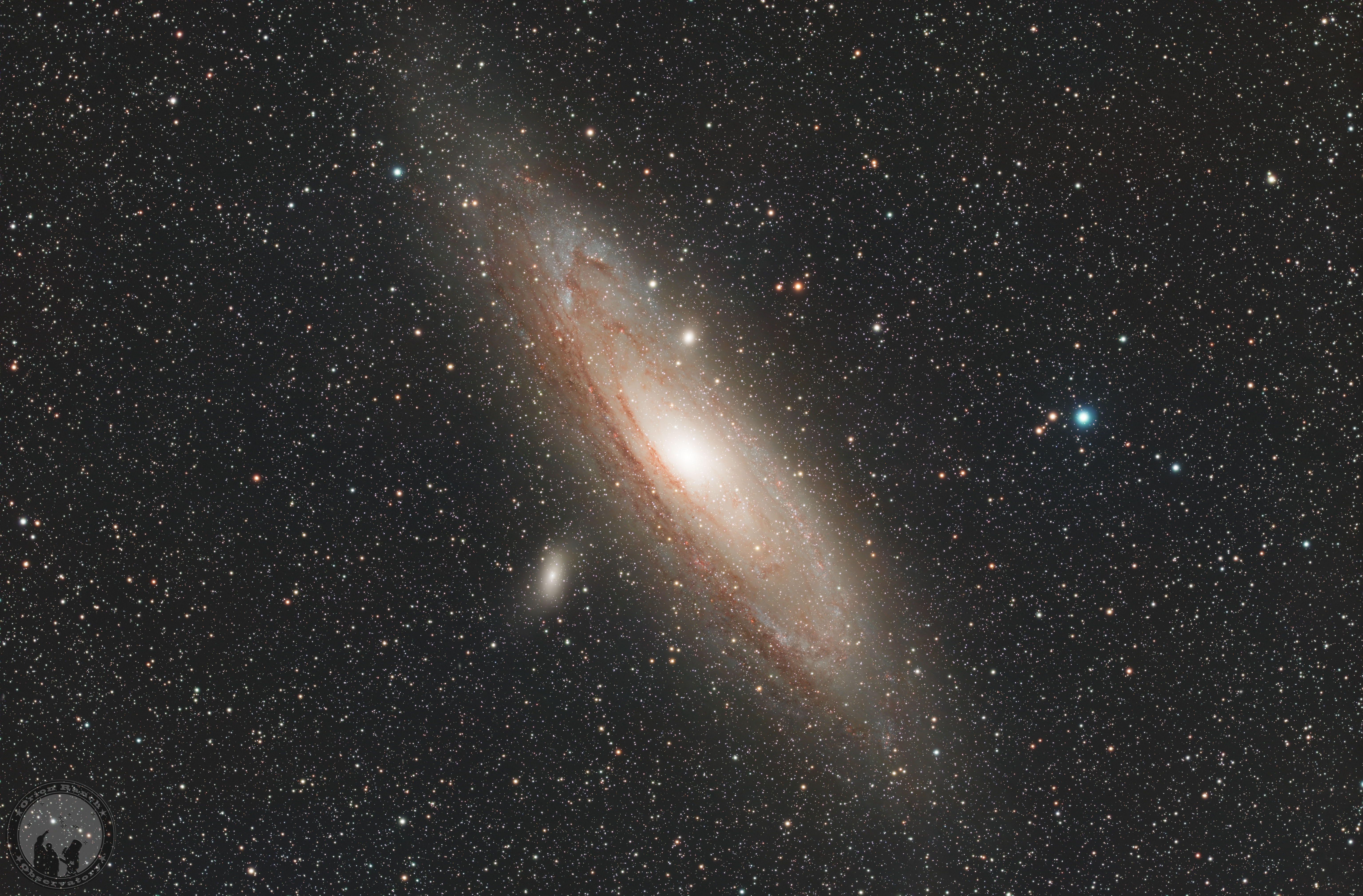
10/19 – This image of the Andromeda Galaxy was a stack of 318 one-minute subs.
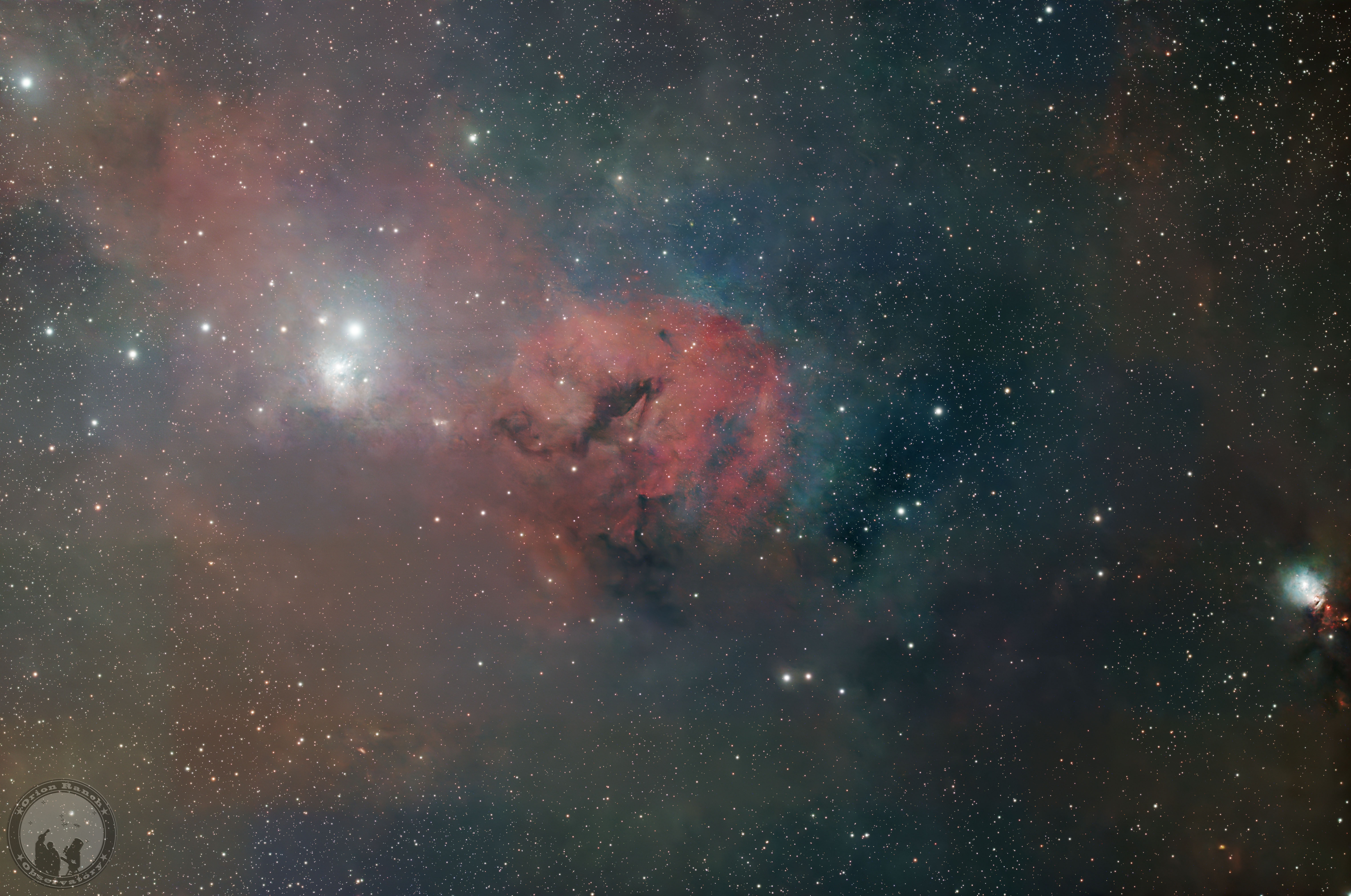
10/20 – This stack of 159 one-minute exposures contains the central section of the Perseus molecular cloud (Per MCld) near the star Atik (Alatik) in the left third of the image with the star forming nebula IC 348 below it and NGC 1333 at the lower right edge.
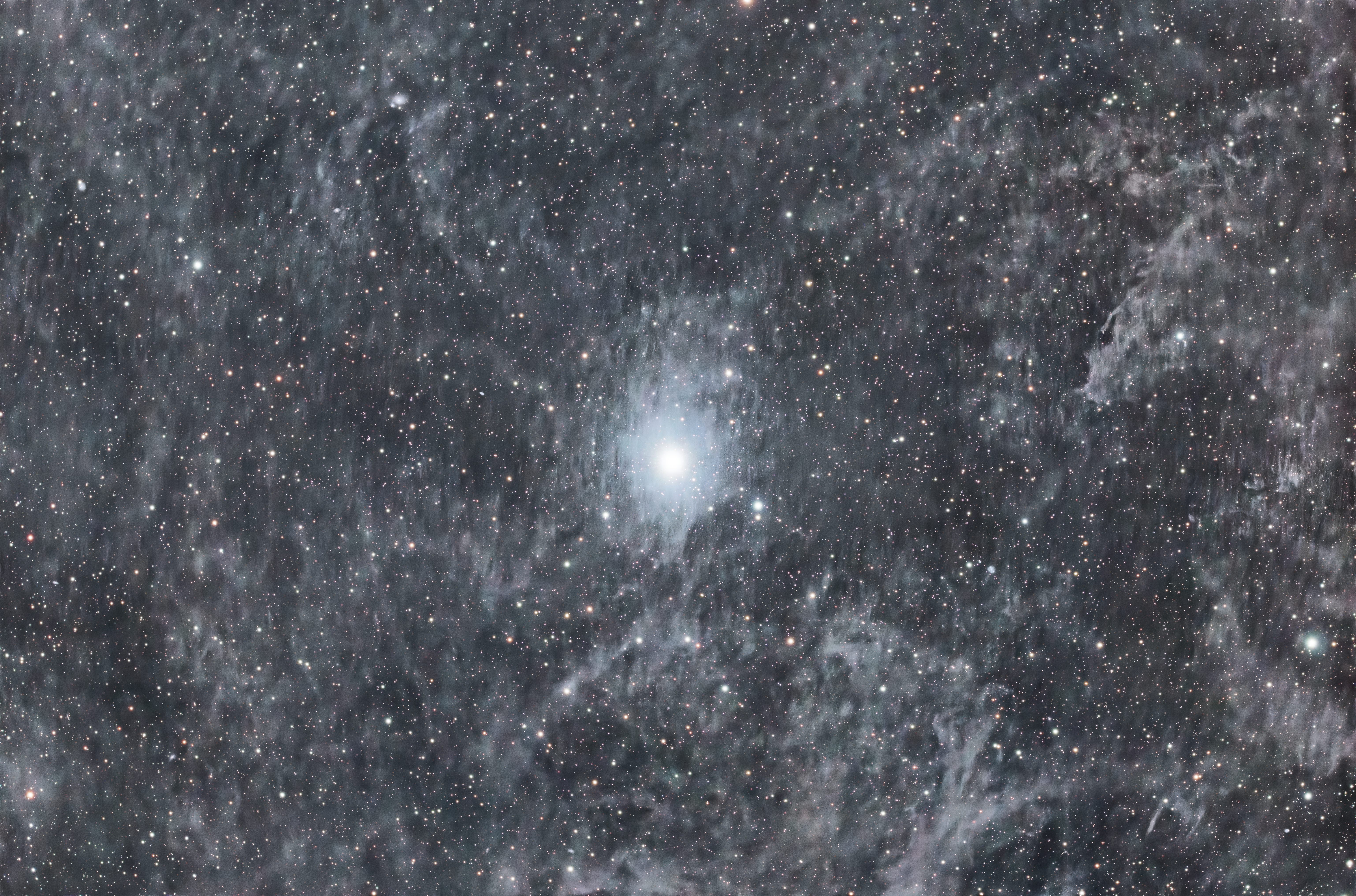
I also started a folder of starless versions for comparison. I still have a handful of images to process or that I’m not quite happy with the process, but hopefully I’ll get there eventually. I also tried my first shot at an integrated flux nebula (normally invisible dust outside our galaxy reflecting the light of our galaxy back to us) with this image of Polaris. After 18.6 hours of data, I still don’t have an image I’m happy with, partly because of the lack of dithering due to not having the auto guider operational.
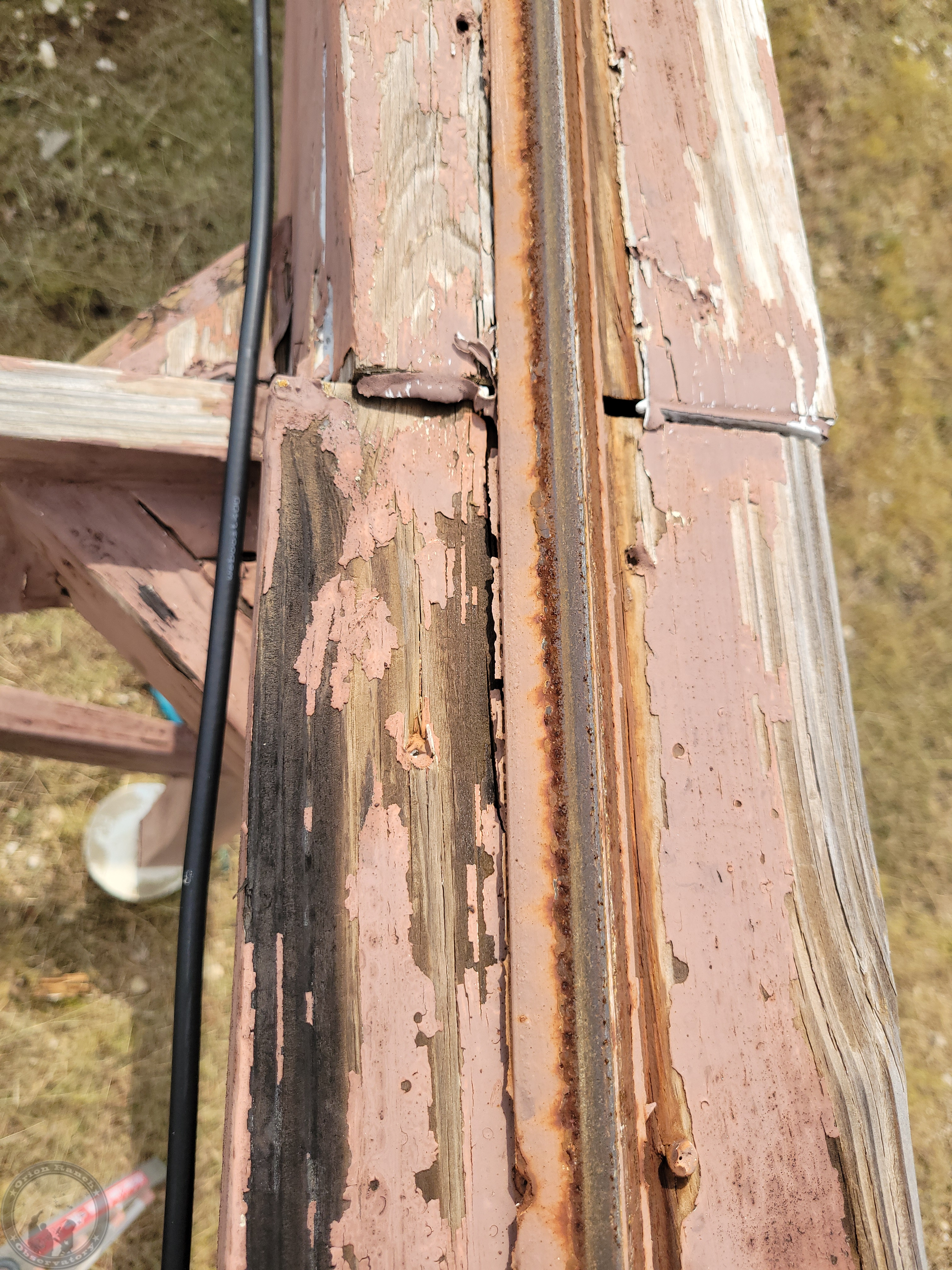
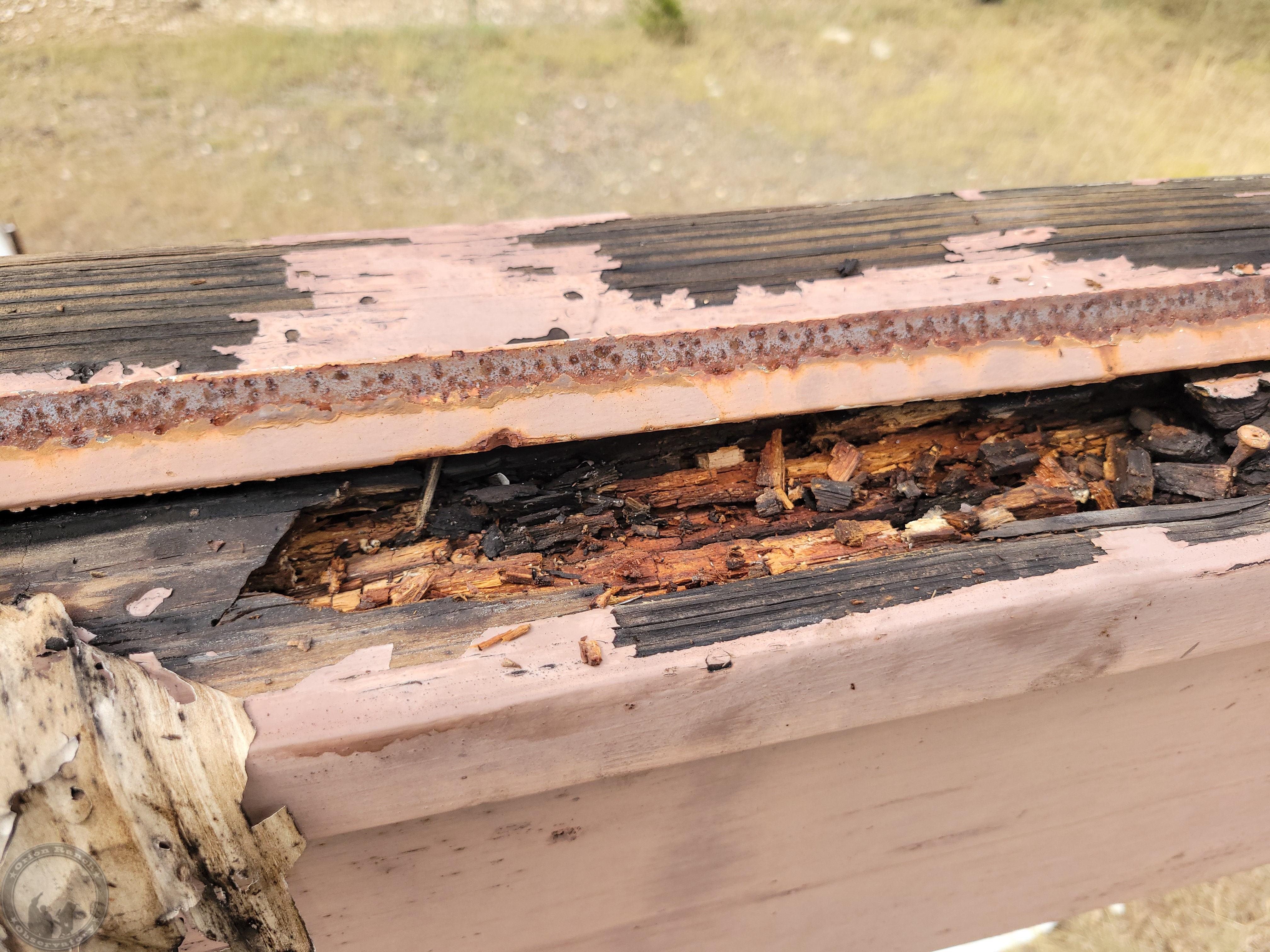
Unfortunately, on the evening I took the last image of the Perseus molecular cloud above, I was (luckily) out in the observatory when I opened it up and heard a wood on wood squeal as the roof bound up on the rail system. Next morning it blew the fuses trying to close it. Inspecting the rail system, the top cap was in pretty bad shape, so that shut me down completely until I can get the rail system repaired/replaced.
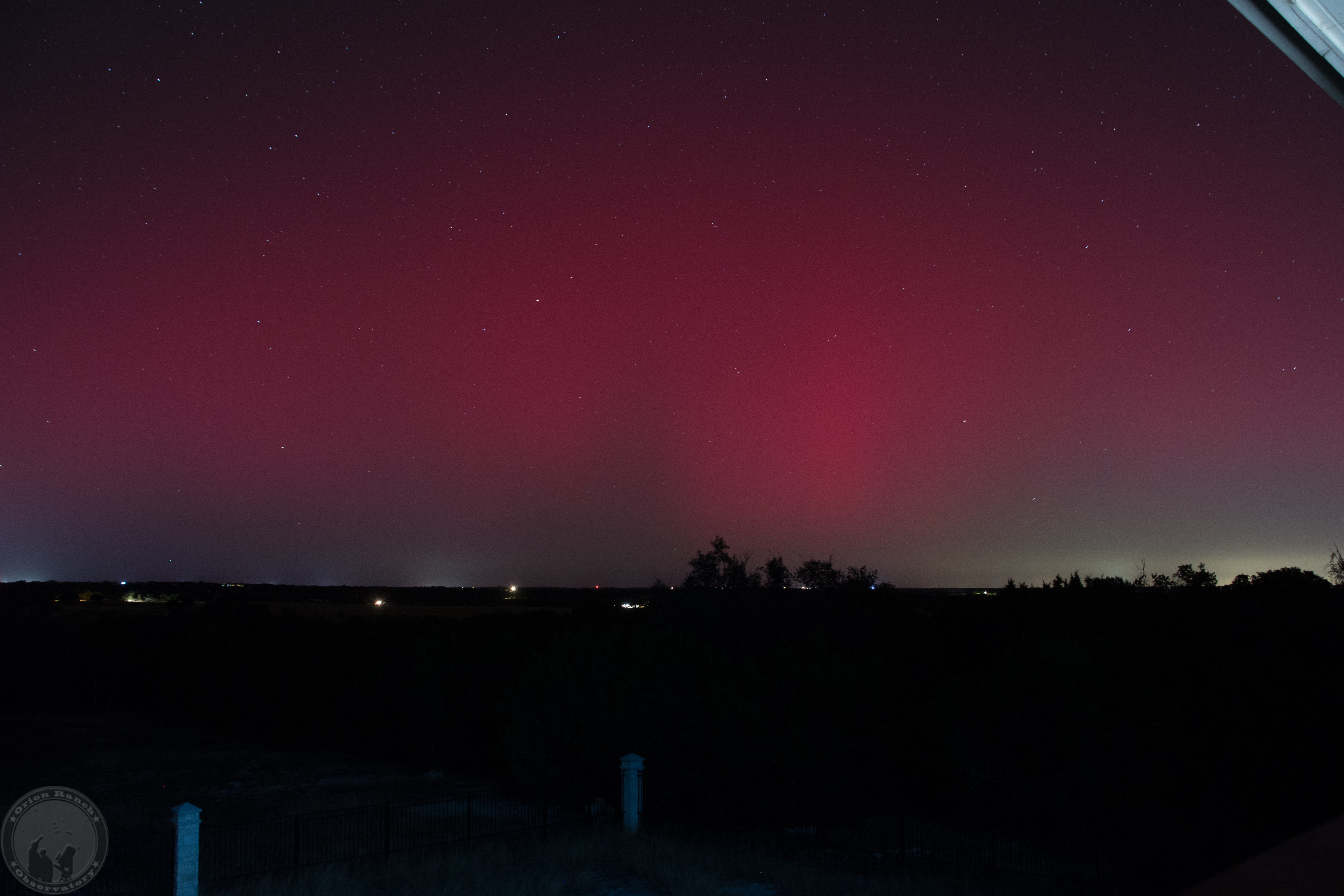
On November 11th, I just happened to pull up my all-sky camera and discover a glow on the Northern horizon that it turns out WASN’T a problem with my camera!
It’s not common to see the Northern Lights this far south!
In all, it’s been a pretty up and down year for Orion Ranch Observatory, ending with the observatory down, literally, but working to reverse that. Stay tuned for the next post!